
AWIN turned me down because my traffic was too low. I never reapplied, and I never went back to the network. That rejection is where this article on how to monetize a blog with low traffic starts, because my traffic has been minimal and programs rarely approve me.
Most guides on how to monetize a blog with affiliate links assume thousands of visitors and a stack of accepted applications. This one assumes neither. It gives you an order to build in, so the work you do now still pays off when traffic grows and when approvals finally come.
The Program That Said No to Me, and What I Did Next
After that, I skipped AWIN-network sites and used a Linktr.ee page whenever I needed somewhere to send readers. I wrote about how that page works as a router instead of a list, and it is the one piece of my setup that never depended on anyone approving me.
Not reapplying was a decision, and I own it. I treated one rejection as final and never asked what traffic number the network wanted or how to reach it. The better question was never “which program will take me?” It was “what do I own that needs no approval?”
Here is the order that came out of all this:
- Choose your niche first.
- Join one program you are actually in, and put its links to work.
- Build your own offers beside it.
- Place every link after the reader has already gotten something useful.
The sections below take those four in turn.
Choose the Niche Before You Choose the Program
Programs screen on traffic, and they also screen on fit. A network that sells to fitness buyers has no use for a blog about vintage fishing reels. Before you apply anywhere, you need to know exactly who your reader is and what that reader buys. Amazon shows this. It was never right for my niche, so I never applied. If you are weighing it for yours, I covered the rule new bloggers over 50 break first in the Amazon affiliate links post. The program that suits you follows from the niche. Choosing it first sends you after whatever is easiest to get into.
A niche that supports income has three parts:
- Your experience. You have spent years doing something and have judgment about it that a beginner lacks.
- An identifiable audience. You can name the person who needs this and say what keeps them stuck.
- Demonstrated demand. Someone is already searching for answers.
Loving a subject covers only the first part. I wrote about that trap in The Banana Taco Trap, and it is the most common reason a blog earns nothing. You can test demand without paid tools. Type your topic into Google and read the suggested searches. Open the “People also ask” box and read those questions. Search forums and Facebook groups for your subject and count how often the same question comes up. Questions that repeat are demand.
Pick One Program You Are Actually In
Don’t apply to ten programs and then sit around waiting. Pick the one that actually fits your niche and will approve you, then learn it properly.
For me, that was Wealthy Affiliate. I joined, put the work in, and within five months I had climbed to Ambassador. Right now I’m #20 out of nearly 3 million people. I’m not saying that to impress you. I’m saying it because I only got there by staying with one program instead of bouncing around. One program you actually understand will make you more money than six you signed up for and never touched and never used. You’ll also write better recommendations, because you’re talking about something you know. Readers can tell the difference.
Just settle the niche first. The program should follow the niche, not the other way around.
A Real Example: One Reader Question, One Answer, One Link
Link placement is where most new bloggers go wrong. They put the link first and the help second, or they skip the help. The order that works is question, answer, recommendation, link.
Here is an invented example. The blog and the reader are made up for the demonstration, and the product is a general category, not a specific item. Say you run a blog on gardening for retirees. A reader writes in:
“I can’t kneel on the ground for long when I weed. What should I use?”
Your answer comes first, and it carries real help. You explain that raised beds put the soil closer to the hands, that long-handled tools reduce bending, and that for ground-level beds a kneeler with a bench side and handles lets you lower yourself and push back up without strain on the knees. Everything in that answer is useful even if the reader never buys anything.

Then comes the recommendation, written as the next sentence in that same answer:
“For beds that stay at ground level, I recommend a garden kneeler that flips into a seat and has sturdy side handles, because the handles are what let you stand back up without help. This is the kind of kneeler I would look for.“
The bolded words are the affiliate link. It sits at the end of the recommendation, after the reader has the answer and the reason. It does not appear in the first paragraph, in the headline, or in a banner above the answer.
The sequence for any post:
- State the reader’s question in their own words.
- Give the full answer without the product.
- Name the product category and say why it solves the problem.
- Place the link at the point where the reader has just learned why they need it.
A reader who has been helped for three paragraphs clicks the link because it is the next sensible step. A reader hit with a link in the first line leaves.
Help first. Recommend second. Link last.
Disclose Plainly and Say Why You Recommend It
Put the disclosure before the first affiliate link, in one plain sentence. Do not tuck it in a footer where nobody scrolls. For example:
“Some links in this post are affiliate links. If you buy through them, I earn a commission at no extra cost to you.”
Each program’s terms spell out what disclosure it requires, so read those terms before you publish a single link. Follow them exactly.
The disclosure tells the reader what the link is. The reason you recommend something tells them whether to trust it, and that needs its own sentence. Give one specific reason tied to the reader’s problem, and name one limit of the product. In the kneeler example, the reason is the handles, and the limit is that a kneeler does nothing for someone who cannot get down to ground level in the first place.
Naming a limit is what separates a recommendation from an advertisement. Readers over 50 have been sold to for decades and read ads quickly. A recommendation that admits what the product does not do reads as honest, and honest recommendations get clicked.
Recommend only what you have used or can explain in full. If you cannot answer a reader’s follow-up question about a product, leave it out of the post.
Build Your Own Offer Next to the Affiliate Links
An affiliate link pays when another company approves you and a reader buys from that company. Your own offer pays you directly and needs nobody’s approval. With low traffic and few approvals, that makes it the more reliable half of the system.
With low traffic, the goal of your first offer is not revenue. It is proof that someone will pay for something you already know how to do. Put your offer beside the affiliate links, not behind them. My own are The Amazing Niche Master, the 95% of Blogs Fail guide, You Do You the Game, and my Kindle book. They sit on the same blog as my Wealthy Affiliate recommendation, and each one answers a different stage of the same reader’s journey.
You already have material for an offer. Three formats suit a first one:
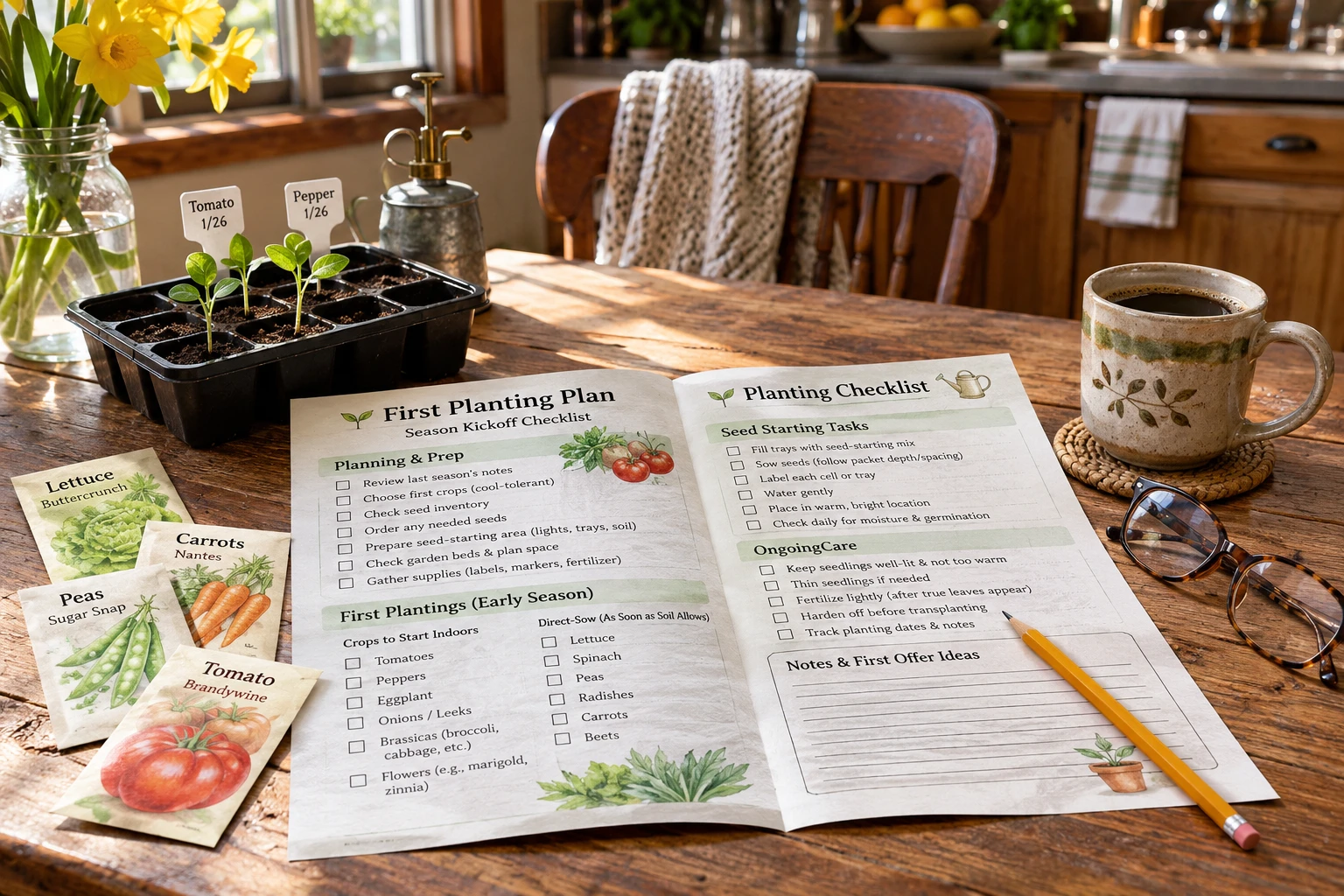
- A checklist – Write down the steps you take in your area of expertise, in order, so a beginner can follow them. A checklist for inspecting a used car, preparing a tax folder, or setting up a first vegetable bed is a finished product.
- A short guide – Take the question people ask you most often and answer it completely in a few pages.
- One-to-one help – Offer a set amount of your time to answer one person’s specific problem, by email or phone.
You do not need an audience of thousands for any of these. Ten readers who trust you are enough to find out whether the offer is right. Their questions tell you what to fix.
Here is how the two halves work together. Say a reader finds your post on setting up a first vegetable bed. The post answers the question, recommends a tool with a link placed after the answer, and then mentions your one-page planting checklist for readers who want the steps in order. The affiliate link serves the reader who wants a product. The checklist serves the reader who wants your judgment. Neither one gets in the way of the other.
Keep the first version small and finish it. A two-page checklist that exists beats a twenty-page guide that never leaves your drafts folder. Send it to the first few readers who sign up for your emails, ask what was unclear, and fix those spots. That feedback is worth more than any amount of polishing alone, and it tells you whether the offer deserves a page of its own on your blog.
Finally, say plainly what your offer is and who it is for. Readers over 50 do not need hype. They need to know what they get, how long it takes and what it will not do. Plain descriptions earn trust, and trust is the thing low traffic cannot take from you.
Your Contingency Plan: 50 Visitors, One Approval, or Zero Approvals
You do not control your traffic number or an application decision. You control the four things below, and each of the three situations that follow uses all four:

- Build an email audience. A simple opt-in form and a regular note to the people who sign up.
- Improve the useful content already on the blog. Refresh old posts and answer real reader questions.
- Develop your own offer. A checklist, short guide or one-to-one help drawn from your experience.
- Choose programs you actually qualify for. Pick ones that do not screen on traffic, or that fit a small, niche audience.
For that last item, read each program’s requirements page before you apply. Look for programs that state no traffic minimum. Look also for makers of products in your niche who run their own direct program, since a small company often cares more about fit than volume.
If You Have 50 Visitors
- Add an opt-in form to your three most-read posts. Offer a one-page checklist in exchange for an email address.
- Send a short note to everyone who signs up. Tell them what you published and answer one question a reader asked.
- Open your oldest post and update anything that has changed. Add the answer to a question a reader sent you.
- Ask the people who do visit what they are trying to solve. Their answers are your next post and your first offer.
If You Have One Approval
- Find every post you have already written that answers a question the approved product solves. Add the link after the answer, with your disclosure above it.
- Write one new post using the question, answer, recommendation, link sequence from the example above.
- Draft your own offer to sit beside the program. If the program sells software, your offer could be a setup checklist written for beginners.
- Put the link in your email notes only when the note has already given the reader something useful.
If You Have Zero Approvals
- Write your own offer first. Pick a checklist, short guide, or one-to-one help from the formats above and finish a first version.
- Build the opt-in and the email notes from the 50-visitors list. They require no approval from anyone.
- Set up a simple link page so readers have one place to find your offer and your other resources.
- Apply only to programs that state no traffic minimum or that fit your small niche audience. Read the requirements before each application.
- Refresh your old posts so that when an approval arrives, the content is ready for the link.
Your Next Three Moves
Begin with the niche. Everything above works only when your niche matches your experience, has an audience you can name, and shows demand. The Amazing Niche Master walks you through that selection step by step, and it comes before any program, link or offer.
If you still need a place to build the blog, Wealthy Affiliate is where I build mine, and it is there for you once your niche is settled. Join Wealthy Affiliate through my referral link. I may earn a commission when you join through my link.
Then take these three actions:
- Go to The Amazing Niche Master at /the-amazing-niche-master/ and settle your niche before you apply to any program.
- Refresh your oldest post. Update what has changed since you wrote it and add the answer to one real question a reader has asked.
- Add an opt-in and write your first note. Offer one checklist from your own experience in exchange for an email address, then send a note to everyone who signs up.
Money Follows Mastery